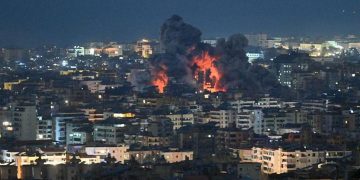













The Thailand-Cambodia border conflict has officially spiraled out of control. Just two months after a US-brokered ceasefire promised stability, violence has erupted with renewed intensity. As of Tuesday morning, the Royal Thai Air Force has launched airstrikes against targets near the border, marking a dangerous escalation in Southeast Asia.
This collapse of diplomacy has turned popular tourist zones into military hotspots, forcing thousands to flee and leaving travelers scrambling.
Why the “Ironclad” Peace Deal Failed
In October 2025, US President Donald Trump announced a “historic” peace agreement between Thai Prime Minister Anutin Charnvirakul and the Cambodian leadership. The deal was supposed to secure trade and end decades of hostility. However, that agreement is now dead.
On Monday, Thai officials accused Cambodian troops of encroaching into Trat province, a key coastal area. Retaliation was swift. Thailand responded with heavy artillery and airstrikes, reportedly destroying military depots. The breakdown in talks highlights the fragility of the region, despite international pressure to maintain order.
The Real Prize: Oil, Gas, and Koh Kood
While the fighting on the ground is deadly, the root of the Thailand-Cambodia border conflict isn’t just about land – it is about energy.
Tensions have spread to the maritime border near Koh Kood, an island resort beloved by luxury travelers. Beneath these turquoise waters lies an estimated $2 trillion in oil and natural gas reserves. Both nations claim these resources, and with energy prices soaring globally, neither side is willing to back down.
For historical context, the dispute over borders in this region dates back over a century, involving the ancient Preah Vihear Temple, which remains a flashpoint for nationalist sentiment.
Travel Alert: Is It Safe to Visit?
If you are currently in the region or planning to visit it, the situation is fluid and dangerous. The conflict zones have expanded beyond remote jungles.
- Avoid the Border: The provinces of Sisaket, Surin, and Trat are currently active military zones.
- Island Risks: While Koh Kood is technically a tourist haven, the surrounding waters are heavily patrolled by the Thai Navy. Ferry services are subject to immediate cancellation.
- Check Advisories: Travelers are urged to monitor updates from the US Department of State or their local embassies before moving toward the eastern border.
The Bottom Line
The “peace in our time” promised earlier this year has evaporated. With the Thailand-Cambodia border conflict intensifying, the region faces its most severe stability crisis in decades. As nationalism surges on both sides, tourists and investors alike should brace for further disruptions.
Stay tuned to ScoopBuzz for live updates.